Blind Font: Timeless Handwritten Elegance
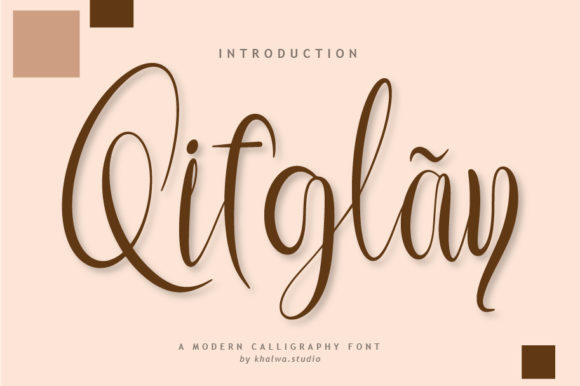
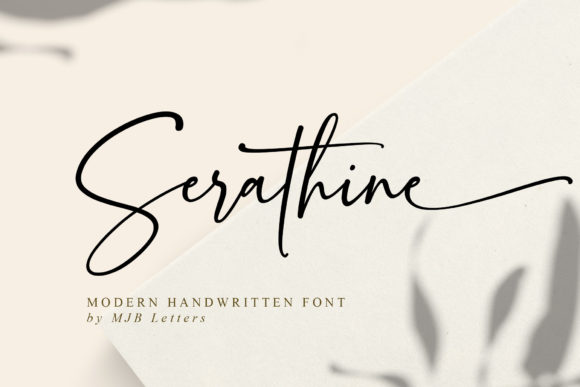
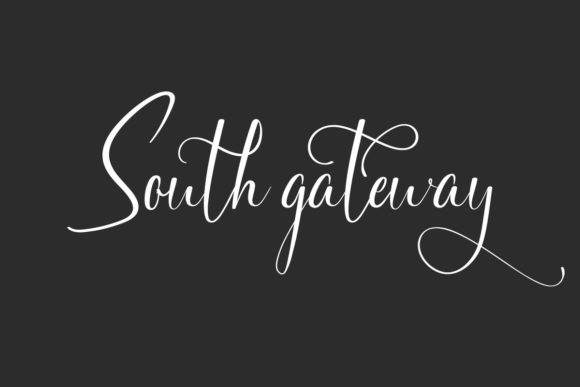
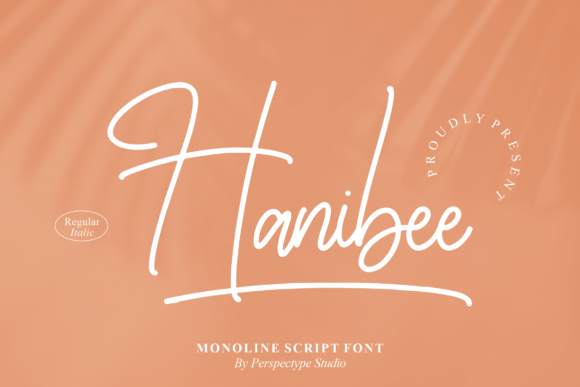
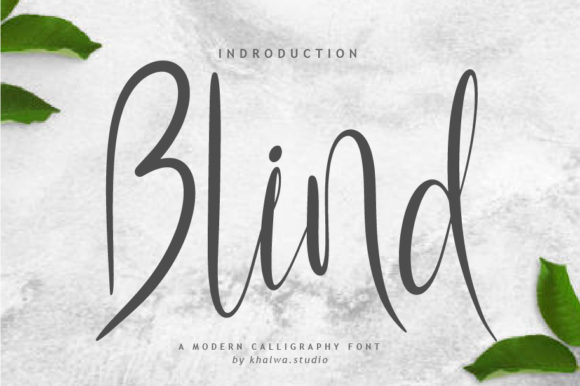
Choosing the right font for a blog header can feel like selecting the perfect accessory for an outfit—something that complements the overall look without overpowering it. When I was redesigning a lifestyle blog’s cover, I found myself drawn to Blind, a script handwritten font that felt both refined and approachable. Its soft curves and expressive strokes brought a sense of warmth to the design, making it ideal for content that aims to connect with readers on a personal level.
Blind for Wedding Invitations and Elegant Branding
Blind is more than just a font; it’s a statement. As a premium font, it carries a subtle sophistication that works well for wedding invitations, where the tone is often romantic and intimate. The unique touch in each letter gives a handcrafted feel, which aligns perfectly with the personal nature of such events. Whether used for a couple’s names or a special message, Blind adds a layer of elegance that feels authentic and timeless.
For branding projects, Blind offers a versatile option that can be paired with clean, modern typography to balance its expressive nature. It’s especially effective when used for logos, social media graphics, or packaging design, where visual identity needs to stand out while maintaining a sense of refinement.
Blind for Digital Magazines and Editorial Layouts
When working on a digital magazine layout, I experimented with Blind as a headline font. Its flowing lines and organic rhythm gave the pages a more human, editorial feel. It worked particularly well for feature sections, where the goal was to create a sense of curiosity and engagement. The font’s personality helped guide the reader’s eye through the content, adding a layer of visual interest without disrupting readability.
Blind also excels in pull quotes and section openers, where its expressive style can highlight key messages or introduce new topics. In these contexts, it acts as a decorative accent that enhances the overall design rather than competing with it.
Blind for Recipe Ebooks and Coaching Workbooks
For a recipe ebook, I used Blind as the title font, and it added a charming, personal touch that made the content feel more inviting. The handwritten style evoked a sense of home cooking and care, which aligned perfectly with the theme. It was especially effective when paired with a serif font for body text, creating a balanced contrast between the expressive title and the readable content below.
In a coaching workbook, Blind served as a subtle but meaningful element. It was used for chapter headings and motivational quotes, helping to reinforce the book’s tone of inspiration and guidance. The font’s softness made it feel less formal, which was ideal for a resource meant to encourage and support readers.
Blind for Newsletter Headers and Printable Planners
When designing a newsletter header, I chose Blind to add a sense of personality and creativity. It stood out against a minimalist background, drawing attention without being overwhelming. The font’s fluidity made it feel more dynamic, which was a nice contrast to the structured content within the email.
For printable planners, Blind was used for date headers and weekly goals. Its legibility at smaller sizes made it practical for daily use, while its aesthetic appeal kept the planner looking fresh and engaging. It was a great example of how a script handwritten font can serve both form and function in a design project.
Blind for Content Branding and Editorial Identity
Blind has a distinct character that makes it ideal for content branding. Whether it’s a blog, podcast, or online course, using this font consistently across different platforms helps establish a strong editorial identity. Its warm, expressive style creates a sense of familiarity and trust, which is essential for building a loyal audience.
However, it’s important to note that Blind may not be the best choice for long blocks of text. Its intricate details can make it harder to read in dense paragraphs, especially on screens or in print. For body copy, pairing it with a clean sans serif or serif font ensures that the content remains accessible while still benefiting from the font’s visual appeal.